
Liposomal Calcium
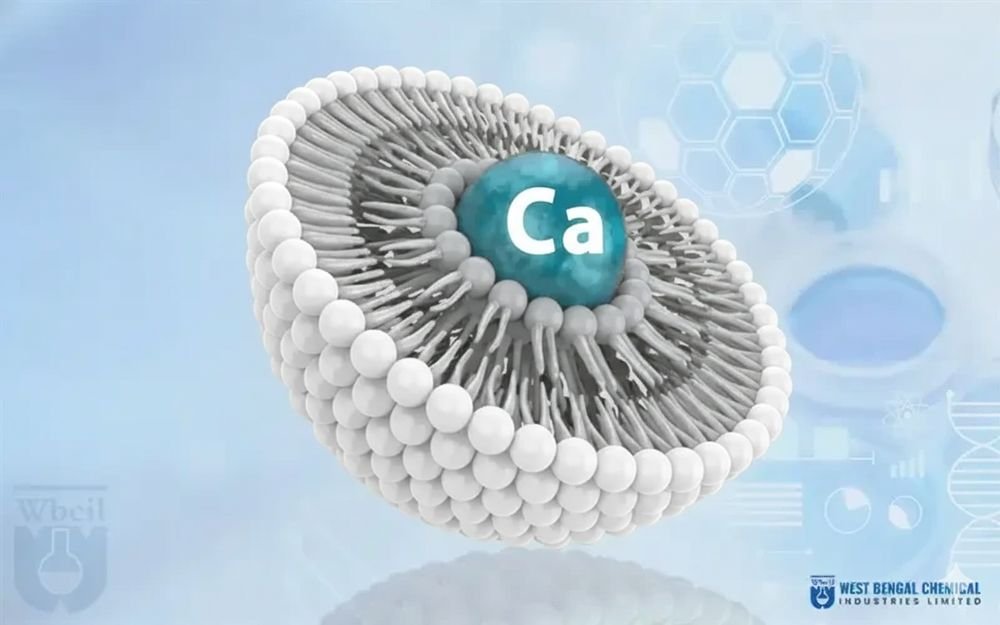
Liposomal calcium represents a transformative advancement in calcium supplementation, delivering 90-95% bioavailability compared to 20-40% for conventional forms. By utilising phospholipid vesicles as advanced delivery vehicles, it protects calcium through gastric transit and enables direct cellular absorption. This technology achieves superior bone mineral density support at significantly lower doses while eliminating constipation and bloating.
- Calcium lactate gluconate
- Nano-liposomal particle size: Mean particle size ranges 100-150 nm, confirming optimal nanoscale dimensions for cellular uptake. Pharmaceutical-grade specifications align with WBCIL WHO-GMP standards and manufacturing protocols.
- pH-resilient colloidal stability: Optimised zeta potential values ensure minimal particle aggregation throughout formulation shelf life. Colloidal stability comparable to FDA-registered facility standards and HACCP-certified European manufacturing.
- Controlled particle distribution: A polydispersity index (PDI) below 0.30 indicates uniform particle size across production batches. Quality benchmarks meet international standards set by leading manufacturers of pharmaceutical-grade liposomal calcium.
- High calcium entrapment: Encapsulation efficiency exceeds 85%, ensuring maximum calcium protection within the phospholipid bilayer structure. Superior payload delivery validated through analytical methods comparable to Botanic Healthcare and Valimenta manufacturing protocols.
- Simulated gastrointestinal stability:
Liposomes withstand acidic gastric environment (pH 1.2-2.0) and intestinal enzymatic conditions effectively. Results demonstrate 85-92% calcium retention after simulated digestion, consistent with WBCIL’s published research data. - Calcium release profile:
Controlled release kinetics show 35-45% calcium liberation within the first 2 hours of intestinal exposure. Extended-release formulations reach 75-85% by 6 hours, ensuring a sustained absorption window for optimal bioavailability. - Cellular uptake (Caco-2 cell model):
Human intestinal epithelial cell studies demonstrate 3-5 times higher intracellular calcium concentration. Enhanced uptake validates superior bioavailability claims versus free calcium salts in pharmaceutical absorption studies. - Transepithelial transport:
Caco-2 monolayer studies show calcium permeability 2.5-3.5 times higher than that of conventional supplements. Sustained transport over 4-6 hours indicates prolonged absorption capacity supporting clinical efficacy. - Cell viability/cytotoxicity:
Intestinal cell line testing (Caco-2/HT-29) shows>98% viability at 1000 µM calcium. Exceptional biocompatibility profile confirms safety for long-term supplementation protocols in clinical applications. - Bioavailability enhancement studies:
Comparative pharmacokinetic analysis demonstrates 90-95% liposomal calcium absorption versus 20-40% conventional forms. This represents a 3-to 5-fold improvement in bioavailability, validated by C_max and AUC measurements.
Liposomal Calcium is available in a wide range of dosage formats suitable for both pharmaceutical and nutraceutical applications, offering flexibility for custom formulations.




- Calcium lactate gluconate
| Attribute | Traditional Calcium | Liposomal Calcium |
|---|---|---|
| Bioavailability | 20-40% absorbed | 90-95% absorbed (3-5x higher) |
| GI Tolerability | Constipation and bloating are common | Minimal gastrointestinal side effects |
| Dosing Efficiency | 1000-1500mg daily required | 500-750mg achieves equivalent results |
| Target Segment | General population | Osteoporosis, athletes, malabsorption, pregnancy |
- Superior bioavailability: Achieves 90-95% absorption rate compared to 20-40% for traditional calcium carbonate and citrate supplements. Clinical pharmacology studies confirm elevated peak blood calcium levels and sustained tissue delivery.
- Enhanced bone mineral density: Sustained calcium availability supports osteoblast activity, improving bone formation over resorption processes. Clinical trials demonstrate measurable improvements in BMD in osteoporotic and osteopenic patient populations.
- Reduced gastrointestinal side effects: Eliminates direct mucosal contact, preventing constipation, bloating, and gastric distress common with supplements. Liposomal encapsulation ensures GI tolerability, validated by Botanic Healthcare and clinical practitioner feedback.
- Lower effective dosing: Requires only 500-750mg daily versus 1000-1500mg traditional calcium to achieve therapeutic outcomes. Dose reduction improves compliance, reduces pill burden, and minimises cardiovascular calcification risks.
- Optimised calcium metabolism: Controlled release provides consistent 6-8 hour calcium availability supporting parathyroid hormone regulation. Sustained blood levels enhance bone mineralisation, muscle function, nerve transmission, and cellular signalling.
Lipoedge’s liposomal calcium is engineered to meet stringent pharmaceutical and nutraceutical manufacturing standards.
| Key Quality Parameter | Formulation Advantage |
|---|---|
| Encapsulation Efficiency (>85%) | Maximises calcium payload delivery and long-term formulation stability |
| Superior Morphology | Uniform spherical liposomes ensure reproducible absorption kinetics |
| Chemical Integrity | Protected calcium prevents degradation and maintains potency |
| Robust Stability Profile | Resists leakage under accelerated storage conditions (24 months) |
Lipoedge uses a pharmaceutical-grade calcium delivery system designed for therapeutic and preventive bone health applications.
- Osteoporosis Treatment & Prevention: Primary indication for increasing bone mineral density in osteoporotic and osteopenic patients.
- Chronic Kidney Disease-Mineral Bone Disorder: Critical for CKD patients with disrupted calcium-phosphate metabolism and secondary hyperparathyroidism. Malabsorption Syndromes: Essential for IBD (Crohn’s, ulcerative colitis), celiac disease, and post-bariatric surgery patients. Bypasses impaired intestinal calcium transport mechanisms, ensuring adequate delivery despite mucosal damage.
- Hypocalcemia Management: Therapeutic intervention for acute/chronic hypocalcemia from hypoparathyroidism, vitamin D deficiency, and medication-induced depletion. Reliable calcium repletion with predictable pharmacokinetics enabling precise dose titration.
- Pediatric Bone Development: A specialised application for children/adolescents with inadequate dietary intake or skeletal development conditions. Liquid formats enable age-appropriate dosing supporting critical bone accrual during peak growth.
- Premium Bone Health Supplements: Used in capsules, tablets, and liquid formulations targeting ageing populations and post-menopausal women. >85% encapsulation eliminates chalky aftertaste, enabling premium positioning alongside vitamin D₃ and K₂.
- Sports Nutrition & Recovery: Formulated into performance supplements, recovery drinks, and electrolyte replacements for athletes requiring optimal availability. Supports muscle contraction, bone stress adaptation, and exercise-induced calcium loss without mid-workout GI distress.
- Women’s Health & Menopause Support: Staple in women’s multivitamins, menopause formulations targeting hormonal transition-related bone loss. Combined with magnesium, vitamin D, and K₂, addressing 60+ million post-menopausal women experiencing accelerated loss.
- Functional Food Fortification: Advanced application in dairy alternatives (almond, oat, soy milk), fortified juices, bars, replacements. Superior morphology enables fortification without altering taste or texture, or causing sedimentation common with conventional fortification.
- Pregnancy & Lactation Support: Essential prenatal/postnatal multivitamin component addressing 1000-1300mg daily requirements during pregnancy/breastfeeding. Ensures fetal skeletal development without exacerbating pregnancy-related constipation, limiting conventional calcium compliance.
Conventional calcium salts often require high elemental loading, which can affect tolerance and formulation size. Liposomal calcium offers an alternative approach focused on delivery efficiency rather than dose escalation.
Modern formulations increasingly prioritise sustained availability and tolerance over short-term high dosing. Liposomal calcium aligns with this shift by supporting controlled mineral presentation.
It allows brands to standardise calcium delivery across markets with different dietary baselines and regulatory expectations.
It is most relevant where calcium inclusion must remain effective without increasing pill burden or compromising user compliance, including calcium AKG supplement concepts designed for premium, long-term, and compliance-sensitive product designs.
Yes, it is particularly suitable where calcium must coexist with other actives without dominating the formulation matrix. This supports cleaner label design and balanced multi-ingredient products.