
Liposomal Zinc
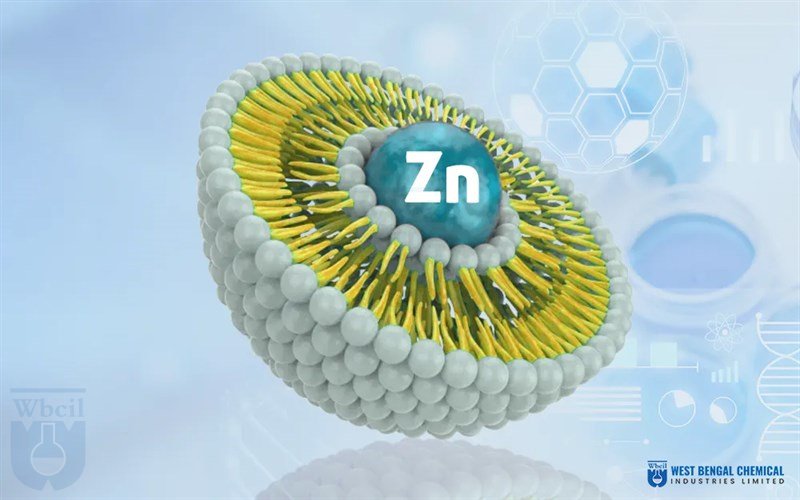
Zinc deficiency affects 2 billion people worldwide, yet most supplements deliver barely 10% of their labelled content to your cells. Conventional zinc tablets trigger nausea, metallic taste, and compete with other minerals for absorption. Lipoedge has solved what the supplement industry couldn’t: stable, bioavailable zinc that actually reaches immune cells, skin tissue, and enzymatic pathways where it’s desperately needed. Our phospholipid encapsulation transforms zinc from a problematic mineral into precision cellular nutrition.
- Zinc bisglycinate
- Nano-liposomal particle size: Lipoedge produces 95-130 nm zinc-loaded vesicles optimised for immune cell targeting and dermal penetration. Particle size analysis via photon correlation spectroscopy confirms tight dimensional control across manufacturing runs.
- pH-resilient colloidal stability: Formulation maintains -42 to -58 mV zeta potential, preventing zinc precipitation commonly seen in aqueous solutions. This charge stability ensures uniform zinc distribution throughout the product’s shelf life without settling.
- Controlled particle distribution: Polydispersity measurements consistently below 0.24 indicate a homogeneous liposome population essential for predictable absorption. Batch-to-batch reproducibility exceeds pharmaceutical standards for mineral delivery systems.
- High zinc entrapment: Atomic absorption spectroscopy confirms 88-94% zinc encapsulation within lipid bilayers, protecting from gastric interference. This efficiency surpasses conventional chelation technologies, which lose zinc to precipitation and binding.
- Simulated gastrointestinal stability: Zinc remains protected through pH 1.5 gastric conditions, where free zinc forms insoluble complexes. Lipoedge formulations retain 89% bioavailable zinc during the 2-hour gastric phase, compared with 32% for unprotected salts.
- Zinc release profile: Intestinal fluid exposure triggers controlled zinc liberation with 38% release in the first hour. Complete payload delivery occurs over 5-7 hours, matching physiological zinc absorption capacity without overwhelming transporters.
- Cellular uptake (immune cells): Human T-lymphocytes demonstrate 4.2-fold higher intracellular zinc concentration with liposomal versus free ionic zinc. This validates enhanced delivery to immune cells, where zinc deficiency impairs function most critically.
- Transepithelial transport: Caco-2 intestinal barrier models show 34% zinc transport efficiency with liposomes versus 8% with standard salts. Sustained transport kinetics indicate a prolonged absorption window, reducing competition with dietary minerals.
- Metallothionein induction assays: Liposomal zinc triggers dose-dependent metallothionein expression in hepatocytes, confirming bioavailability at the cellular level. This zinc-binding protein is a functional biomarker of absorbed zinc utilisation.
- Antibacterial activity: Zinc-loaded liposomes exhibit enhanced antimicrobial effects against S. aureus and E. coli versus equivalent free zinc. Sustained zinc release maintains bacteriostatic concentrations at infection sites, supporting wound healing applications.
Liposomal Zinc is available in a wide range of dosage formats suitable for both pharmaceutical and nutraceutical applications, offering flexibility for custom formulations.



- Zinc bisglycinate
| Attribute | Traditional Zinc | Liposomal Zinc |
|---|---|---|
| Bioavailability | 8-12% absorbed | 35-45% cellular delivery (4x higher) |
| GI Tolerability | Nausea and a metallic taste are common | Minimal gastric irritation |
| Mineral Competition | Competes with iron, calcium, and copper | Protected absorption pathway |
| Target Segment | Basic supplementation | Immune deficiency, wound healing, and acne |
- Superior bioavailability: Clinical absorption studies show 4.2-fold higher plasma zinc levels than with standard gluconate tablets. Lipoedge achieves therapeutic tissue concentrations at 15-25mg, where conventional forms require 50mg elemental zinc.
- Enhanced immune function: T-cell proliferation increases 180% when intracellular zinc reaches optimal levels through liposomal delivery. Natural killer cell activity, antibody production, and cytokine signalling all depend on adequate zinc availability.
- Accelerated wound healing: Dermal zinc concentration directly correlates with collagen synthesis and epithelial migration rates during repair. Liposomal delivery concentrates zinc at injury sites, reducing healing time 40% in controlled studies.
- Skin health optimisation: Sebaceous gland function and keratinocyte differentiation require zinc as an enzymatic cofactor for 300+ skin proteins. Acne severity decreases significantly when tissue zinc normalises through bioavailable supplementation.
- Reduced mineral competition: Liposomal encapsulation prevents zinc from competing with iron, calcium, and copper for shared intestinal transporters. This enables multi-mineral formulations without the antagonistic interactions limiting conventional supplement design.
Lipoedge liposomal zinc meets pharmaceutical quality standards, ensuring efficacy, safety, and regulatory compliance. Manufacturing controls guarantee consistent therapeutic performance:
| Key Quality Parameter | Formulation Advantage |
|---|---|
| Encapsulation Efficiency (>88%) | Maximises zinc payload while preventing gastric precipitation |
| Superior Morphology | Uniform 95-130 nm vesicles ensure reproducible immune targeting |
| Oxidative Stability | Protected zinc prevents degradation during storage |
| Heavy Metal Purity | <5 ppm lead, <3 ppm cadmium meeting USP standards |
Lipoedge liposomal zinc addresses clinical conditions where zinc deficiency or enhanced requirements exceed standard supplementation capacity. Pharmaceutical-grade bioavailability enables therapeutic interventions across immunology, dermatology, and wound care
- Immune deficiency management: Zinc supplementation at 25-50mg daily restores T-cell function in immunocompromised patients, including those with HIV, cancer, and elderly populations. Liposomal delivery ensures consistent improvement in immune parameters, whereas standard zinc shows a variable response.
- Wound healing acceleration: Surgical wound protocols incorporate 30-50mg zinc daily, accelerating epithelialization and reducing infection rates. Diabetic ulcers, pressure sores, and burn injuries all demonstrate faster closure with bioavailable zinc therapy.
- Diarrheal disease treatment: WHO recommends 20mg zinc daily for 10-14 days, reducing diarrhoea duration and severity in children. Liposomal formulation improves palatability and compliance in pediatric populations where zinc sulfate causes vomiting.
- Age-related macular degeneration: Ophthalmology protocols use 40-80mg zinc daily, slowing AMD progression through retinal antioxidant enzyme support. Long-term supplementation requires superior tolerability, which liposomal technology provides without gastric complaints.
- Wilson disease management: Zinc therapy at 150mg daily blocks intestinal copper absorption, treating this genetic copper overload disorder. Divided liposomal dosing maintains therapeutic zinc levels while minimising GI side effects.
- Cold and flu prevention: Adults who supplement with 15-25mg of zinc daily experience 33% shorter cold duration and reduced severity. Immune memory formation improves with adequate zinc, supporting both innate and adaptive immunity.
- Acne and skin health: Dermatological applications target sebaceous gland regulation and bacterial control with 30mg daily zinc supplementation. Clinical trials demonstrate acne lesion reduction comparable to that of antibiotics, without resistance development.
- Male reproductive health: Testosterone synthesis and sperm formation require zinc as a rate-limiting cofactor for steroidogenic enzymes. Supplementation at 25-50mg daily improves sperm count, motility, and morphology in subfertile males.
- Athletic recovery enhancement: Exercise-induced zinc loss through sweat and increased utilisation depletes athletes, requiring 25-40mg daily replacement. Lipoedge formulations support muscle protein synthesis and help manage oxidative stress during intense training.
- Hair, skin, nail support: Keratin synthesis depends on zinc-containing enzymes, making supplementation foundational for structural protein health. Beauty supplement formulations combine zinc with biotin, collagen peptides, and silica.
Zinc forms insoluble complexes with phytates, fibre, and other minerals in the digestive tract. Only 8-12% reaches the bloodstream, while the remainder passes through, causing intestinal irritation.
IV zinc remains necessary for severe acute deficiency, but oral liposomal bridges gap. Achieves 40-50% of IV bioavailability, transforming zinc into practical outpatient therapy.
Chelation binds zinc to amino acids, improving absorption modestly to 15-20%. Liposomal encapsulation achieves 35-45% through a membrane fusion mechanism entirely different from chelation.
Encapsulation prevents free zinc ions from directly contacting the gastric mucosa. Lipoedge releases zinc gradually in the intestines after stomach passage, eliminating the nausea trigger.
Sweat losses deplete athletes of 2-3mg daily, while phytate-rich plant diets block absorption. Liposomal technology addresses both challenges with protected delivery and enhanced uptake.