
Liposomal Curcumin
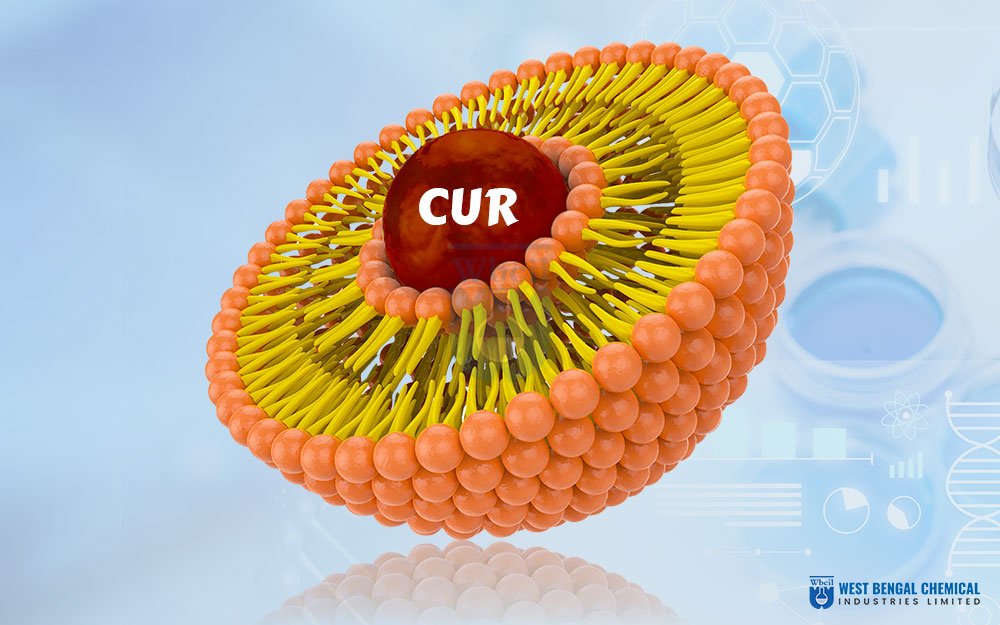
Curcumin is extensively studied yet poorly absorbed. Over 90% of oral doses fail to reach circulation. Poor water solubility and rapid metabolism limit effectiveness. Lipoedge solves this with pharmaceutical-grade liposomal curcumin. Phospholipid encapsulation delivers 20-30x greater bioavailability than standard curcumin. This unlocks full anti-inflammatory and antioxidant potential at therapeutic concentrations.
- Nano-liposomal particle size: Lipoedge produces 100–145 nm curcumin-loaded vesicles optimised for intestinal absorption. Dynamic light scattering confirms tight dimensional control across batches.
- pH-resilient colloidal stability: Formulation maintains –38 to –55 mV zeta potential. Strong electrostatic repulsion prevents vesicle aggregation in acidic GI conditions. Stability ensures uniform distribution throughout shelf life.
- Controlled particle distribution: The polydispersity index consistently remains below 0.25, confirming a uniform liposome population. This ensures predictable absorption and reproducible performance.
- High curcumin entrapment: Encapsulation efficiency reaches 88–94% verified by HPLC. Lipid bilayers protect curcuminoids from oxidative degradation and gastric hydrolysis.
- Simulated gastrointestinal stability: Curcumin remains protected through pH 1.5 gastric conditions. Lipoedge retains 87–92% curcuminoid content after the gastric phase. Free curcumin degrades to below 20% under identical conditions.
- Curcumin release profile: Intestinal fluid triggers controlled release with 40–45% in first two hours. Total delivery reaches 80-85% over 6-8 hours. Sustained kinetics match intestinal transit time for optimal absorption.
- Cellular uptake (Caco-2 model): Intestinal cells show 3.5- to 4.5-fold higher intracellular curcumin levels with liposomal delivery. Phospholipid fusion enables direct cytosolic delivery.
- Transepithelial transport: Caco-2 assays demonstrate 3.2-fold greater permeability than in a curcumin suspension. Extended transport over four hours confirms a prolonged absorption window.
- NF-κB pathway inhibition: Liposomal curcumin suppresses NF-κB at 4–5-fold lower concentrations. This validates intracellular delivery for anti-inflammatory action.
- Antioxidant and Nrf2 activation: Liposomal curcumin upregulates SOD, catalase, and glutathione peroxidase. A 40-50% reduction in ROS is achieved compared with non-encapsulated curcumin.
Liposomal Curcumin is available in a wide range of dosage formats suitable for both pharmaceutical and nutraceutical applications, offering flexibility for custom formulations.

| Attribute | Traditional Curcumin | Liposomal Curcumin |
|---|---|---|
| Bioavailability | <5% oral absorption | 20-30x greater systemic exposure |
| GI Stability | Rapid degradation below pH 3 | 87-92% retention through the gastric phase |
| Metabolic Stability | Rapid glucuronidation/sulfation | Extended plasma half-life |
| Solubility | Insoluble in water | Water-compatible colloidal dispersion |
| Piperine Dependency | Often combined with piperine | No enzyme inhibitor required |
| Target Segment | Basic wellness | Pharma adjunct, clinical nutraceuticals |
- Superior bioavailability without piperine: Liposomal encapsulation achieves 20–30x greater plasma exposure than standard curcumin. No piperine required, eliminating CYP3A4 inhibition and drug interaction risks.
- Targeted anti-inflammatory action: Intracellular delivery suppresses NF-κB signalling and COX-2 enzyme expression. Pro-inflammatory cytokines (TNF-α, IL-6) reduce by 35–50% in preclinical models.
- Potent antioxidant via Nrf2 activation: Cytosolic curcumin activates Nrf2 pathway, upregulating endogenous antioxidant enzymes. Dual mechanism provides comprehensive oxidative stress management.
- Blood-brain barrier permeability: Lipophilic vesicles transport curcumin across the BBB for CNS-relevant concentrations. Opens formulation opportunities in neuroprotection and cognitive support applications.
- Oncology adjunct potential: Enables apoptosis induction and NF-κB inhibition at achievable concentrations. Supports combination oncology protocols for breast, colon, and pancreatic cancer.
- Formulation versatility: Compatible with liquids, soft gels, powders, tablets, and topical emulsions. Integrates across pharma, nutra, and cosmeceutical platforms without specialised processing.
Lipoedge liposomal curcumin meets WHO-GMP and ISO standards for pharmaceutical applications.
| Key Quality Parameter | Formulation Advantage |
|---|---|
| Encapsulation Efficiency (>88%) | Maximises curcuminoid payload; prevents oxidative degradation |
| Superior Morphology | Uniform 100–145 nm vesicles ensure reproducible absorption |
| Curcuminoid Purity (≥95% HPLC) | Standardised curcumin profile for consistent formulation |
| Oxidative Stability | Nitrogen-flushed manufacturing extends shelf life to 24 months |
| Heavy Metal Purity | Lead <0.5 ppm, Cadmium <0.3 ppm exceeds USP standards |
Lipoedge liposomal curcumin addresses applications where bioavailability historically limited clinical effectiveness. Pharmaceutical-grade delivery achieves clinically meaningful tissue concentrations.
- Anti-inflammatory formulations: Rheumatoid arthritis, osteoarthritis, and IBD involve persistent NF-κB activation. Liposomal delivery achieves therapeutic tissue concentrations at 500–1,000 mg daily doses.
- Oncology adjunct therapy: Sensitises tumour cells to chemotherapy and inhibits NF-κB-driven resistance. Supports outpatient oncology supplement protocols for pancreatic and colorectal cancer.
- Neurological applications: Blood-brain barrier penetration enables Alzheimer’s and Parkinson’s applications. Inhibits amyloid-β aggregation and provides dopaminergic neuroprotection.
- Metabolic syndrome management: Modulates insulin signalling, reduces hepatic lipogenesis, and suppresses adipose inflammation. Relevant for type 2 diabetes and NAFLD formulations.
- Gastrointestinal therapy: Provides direct mucosal anti-inflammatory action plus systemic absorption. Dual advantage for Crohn’s disease and ulcerative colitis formulations.
- Joint health supplements: Combines with glucosamine or boswellia for NF-κB-mediated anti-inflammatory action. Clinical differentiation supported by demonstrable bioavailability data.
- Cognitive formulations: Nootropic category includes liposomal curcumin to enhance BBB penetration. Nrf2-activating antioxidant protection and modulation of neuroinflammation support brain health.
- Sports nutrition: Targets exercise-induced inflammation, oxidative stress, and post-exercise recovery. Absorption occurs within a critical recovery window for athletes.
- Cardiovascular health: Improves endothelial function, reduces LDL oxidation, and modulates lipid metabolism. Enables validated cardiovascular health claims in premium formulations.
- Cosmeceutical applications: Dermal delivery demonstrated in ex vivo models supports anti-ageing serums. Topical anti-inflammatories for acne, psoriasis, and wound healing applications.
- Anti-ageing cream delivery: Liposomal encapsulation enables curcumin to penetrate the stratum corneum, reaching dermal fibroblasts where standard curcumin molecules fail due to poor aqueous solubility.
- Anti-inflammatory skin repair: Intracellular delivery suppresses NF-κB signalling in dermal tissue, reducing inflammatory mediators responsible for acne, psoriasis, and chronic skin irritation.
- Collagen synthesis support: Curcumin delivered to fibroblasts activates Nrf2 antioxidant pathways, protecting against UV-induced collagen degradation and supporting structural skin protein synthesis.
- Formulation stability in cream base: Liposomal encapsulation prevents curcumin’s characteristic yellow pigmentation from staining cream formulations while maintaining oxidative stability throughout shelf life.
Curcumin is lipophilic, water-insoluble, and rapidly conjugated in the liver. Less than 5% reaches systemic circulation even with piperine enhancement. Liposomal encapsulation resolves all three limitations simultaneously.
Phytosomes bind curcumin to phosphatidylcholine for 3–5x bioavailability improvement. Lipoedge encapsulates within sealed bilayers, achieving 20-30x enhancement. Superior GI stability and controlled release kinetics.
Full physicochemical characterisation, batch Certificates of Analysis with HPLC. Heavy metal testing, stability data, cytotoxicity data, and WHO-GMP compliance. Support for FSSAI, EU Novel Food, and US NDI notifications available.
Piperine inhibits CYP3A4 and P-glycoprotein, creating drug interaction liability. Liposomal fusion achieves superior bioavailability without inhibiting metabolic enzymes. Only appropriate for pharmaceutical-grade products.
Yes. Compatible with co-encapsulation of boswellic acids, resveratrol, CoQ10, and omega-3. Prevents yellow pigmentation from staining other ingredients in formulations.
Non-GMO sunflower/soy phospholipids with no animal-derived excipients. Vegan-compatible, allergen-screened, no synthetic solvent residues. Meets clean-label requirements for premium markets.